Graeme Souness: The Powerful Rise, Glorious Triumphs, and Difficult Challenges of a Football Icon

Introduction
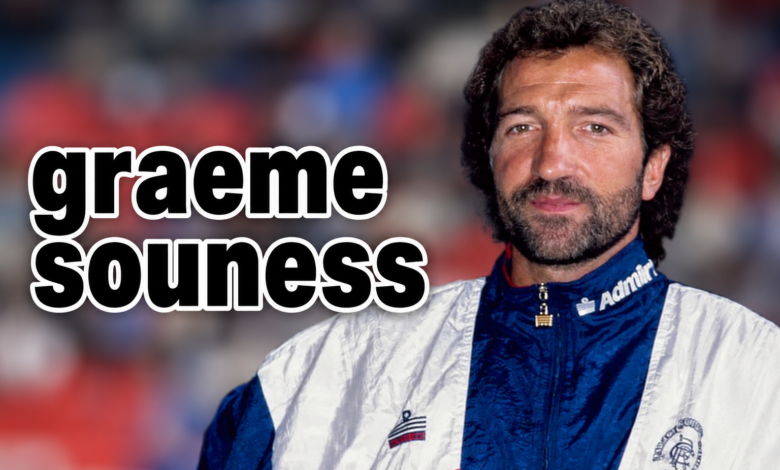
Graeme Souness is one of the most influential figures in British football history. Known for his commanding personality, strong tackling, passing ability, and leadership, he achieved remarkable success as a player before building a long career as a football manager and television analyst. His name remains closely connected with Liverpool, Rangers, Scotland, and several major European clubs.
His career included extraordinary victories, but it was not free from setbacks. Souness won domestic and European trophies as a player, yet some of his managerial appointments proved difficult. This mixture of positive achievements and challenging periods makes his story both powerful and realistic.
Graeme Souness Quick Bio
| Detail | Information |
|---|---|
| Full Name | Graeme James Souness |
| Date of Birth | 6 May 1953 |
| Age | 73 years old as of 2026 |
| Birthplace | Edinburgh, Scotland |
| Nationality | Scottish |
| Profession | Former footballer, manager, and television pundit |
| Playing Position | Midfielder |
| Height | Approximately 1.80 metres |
| International Team | Scotland |
| Scotland Appearances | 54 |
| Scotland Goals | 4 |
| Major Clubs | Middlesbrough, Liverpool, Sampdoria, and Rangers |
| Major Broadcasting Role | Football analyst for Sky Sports |
| Honour | Commander of the Order of the British Empire |
Early Life and Football Beginnings
Graeme James Souness was born on 6 May 1953 in Edinburgh, Scotland. He developed an interest in football at a young age and played youth football before receiving an opportunity to join Tottenham Hotspur. Moving away from Scotland as a teenager demonstrated the confidence and ambition that would later define his professional career.
Souness joined Tottenham as an apprentice, but first-team opportunities were limited. He also spent time playing in Canada with Montreal Olympique. Although his early years did not immediately bring major success, they gave him valuable experience and prepared him for the breakthrough that followed.
Start of Professional Career
Souness moved to Middlesbrough in the early 1970s and gradually established himself as an outstanding central midfielder. His performances showed that he offered more than physical strength. He could control the tempo of matches, deliver accurate passes, score goals, and compete fearlessly against strong opponents.
At Middlesbrough, he became an important member of the team that won the Second Division championship and earned promotion. His consistent performances attracted the attention of Liverpool, one of the most successful clubs in England at the time.
Liverpool Career and European Success
Graeme Souness joined Liverpool in January 1978. His arrival marked the beginning of the most successful period of his playing career. He quickly became a key figure in midfield and contributed to Liverpool’s domination of English and European football.
During his time at Liverpool, Souness won five English First Division titles, three European Cups, and four League Cups. He eventually became club captain and led the team with authority. His leadership was especially important during Liverpool’s 1984 European Cup victory against Roma.
Playing Style and Leadership
Souness was recognised for his strength, intelligence, and technical ability. He was an aggressive competitor, but he was also an excellent passer who could create attacks from midfield. His ability to combine discipline with creativity made him one of the most complete midfielders of his generation.
His leadership style was demanding and direct. Supporters admired his determination, while opponents often found him intimidating. Although his physical approach sometimes caused controversy, his commitment and ability were never seriously questioned.
Sampdoria and Italian Football
In 1984, Souness left Liverpool and joined Sampdoria in Italy. Playing in Serie A introduced him to a more tactical style of football and allowed him to compete alongside talented international players.
He helped Sampdoria win the Coppa Italia, adding another major trophy to his career. His successful period in Italy strengthened his reputation as a footballer capable of performing at the highest level in different countries.
Scotland International Career
Graeme Souness represented Scotland 54 times and scored four international goals. He played in three FIFA World Cups, appearing in the tournaments held in 1978, 1982, and 1986.
He also captained the national team and became one of the most respected Scottish players of his era. Scotland did not progress far in those World Cups, but Souness remained an important figure because of his leadership, experience, and competitive nature.
Rangers Player-Manager Career
In 1986, Souness returned to British football as player-manager of Rangers. His appointment represented a major change for the Glasgow club. He recruited high-profile players, introduced new standards, and helped Rangers become a dominant force in Scottish football.
Under his management, Rangers won Scottish league championships and domestic cups. His time at the club was successful, although it also included controversial moments. Nevertheless, he played a central role in transforming Rangers and restoring their position at the top of Scottish football.
Complete Managerial Career Overview
After leaving Rangers, Souness became manager of Liverpool in 1991. He won the FA Cup in 1992, but his overall period at Anfield was difficult. The club was going through a major transition, and several of his decisions were heavily criticised.
He later managed Galatasaray, Southampton, Torino, Benfica, Blackburn Rovers, and Newcastle United. One of his most notable managerial achievements came with Blackburn, where he won the Football League Cup in 2002.
Successes and Difficulties in Management
Souness was successful when his demanding style produced discipline, organisation, and confidence. His strongest managerial periods came at Rangers and Blackburn Rovers, where he delivered major trophies.
However, his direct personality sometimes created conflict with players, supporters, or club officials. His experiences at Liverpool and Newcastle showed the negative side of managing high-pressure clubs. These setbacks did not erase his achievements, but they made his managerial record more complex.
Broadcasting and Media Career
After leaving football management, Graeme Souness became a prominent television pundit. He worked extensively for Sky Sports and became known for honest, forceful, and sometimes controversial opinions.
His analysis was based on decades of experience as a player, captain, and manager. He often focused on leadership, discipline, midfield play, and professional standards. Souness left his regular Sky Sports role in 2023 but continued to remain involved in football discussions and public appearances.
Charity Work and Public Recognition
Souness has supported DEBRA UK, a charity that helps people affected by epidermolysis bullosa. The condition causes extremely fragile skin and can create severe pain for those living with it.
He participated in a major English Channel swimming challenge to raise funds and awareness for the charity. In recognition of his services to football and charitable causes, he was appointed Commander of the Order of the British Empire in 2024.
Graeme Souness Net Worth and Income
There is no reliable, publicly confirmed figure for Graeme Souness’s net worth. Online estimates vary widely and should not be treated as established facts.
His known career income has come from professional football, football management, broadcasting, books, media appearances, and public speaking. His current salary and annual earnings have not been officially disclosed.
Personal Life
Graeme Souness has generally kept parts of his family life away from constant public attention. Public reports identify Karen Souness as his wife.
Information about his religion, weight, parents, and detailed educational qualifications has not been clearly confirmed by authoritative public sources. For this reason, such details should not be presented as facts.
Legacy
Graeme Souness is remembered as one of Scotland’s greatest midfielders and one of Liverpool’s most successful captains. His collection of league titles, European Cups, and domestic trophies places him among the leading footballers of his generation.
His legacy also includes successful management, memorable controversies, influential television work, and meaningful charity fundraising. His career had both impressive victories and difficult failures, but his courage, authority, and competitive spirit made him an unforgettable figure in football.
Conclusion
Graeme Souness built an exceptional career across playing, management, broadcasting, and charity. His greatest years came with Liverpool, where he became a European champion, respected captain, and dominant midfielder.
Although his managerial career included disappointing periods, his achievements remain substantial. Graeme Souness continues to be respected for his football knowledge, leadership, honesty, and commitment to helping others.
Frequently Asked Questions
Who is Graeme Souness?
Graeme Souness is a former Scottish footballer, manager, and television pundit. He is best known for his successful playing career with Liverpool and his managerial work with Rangers and other European clubs.
How old is Graeme Souness?
Graeme Souness was born on 6 May 1953. He is 73 years old as of 2026.
Where was Graeme Souness born?
He was born in Edinburgh, Scotland.
Which position did Graeme Souness play?
He played as a central midfielder and was known for leadership, tackling, passing, and tactical intelligence.
How many European Cups did Graeme Souness win?
He won three European Cups as a Liverpool player.
Did Graeme Souness play for Scotland?
Yes. He made 54 appearances for Scotland and played in three FIFA World Cups.
Which clubs did Graeme Souness manage?
He managed Rangers, Liverpool, Galatasaray, Southampton, Torino, Benfica, Blackburn Rovers, and Newcastle United.
What is Graeme Souness’s net worth?
His exact net worth has not been officially confirmed. Figures published by unofficial websites should be treated as estimates rather than verified information.
Why did Graeme Souness receive a CBE?
He received a CBE for his services to football and charity, including his work supporting DEBRA UK.
What is Graeme Souness’s legacy?
His legacy is based on his success as a Liverpool captain, his influence at Rangers, his international career with Scotland, his managerial achievements, and his long career as a football pundit.