Henrik Larsson: The Powerful Rise, Painful Setbacks, and Lasting Legacy of a Football Icon

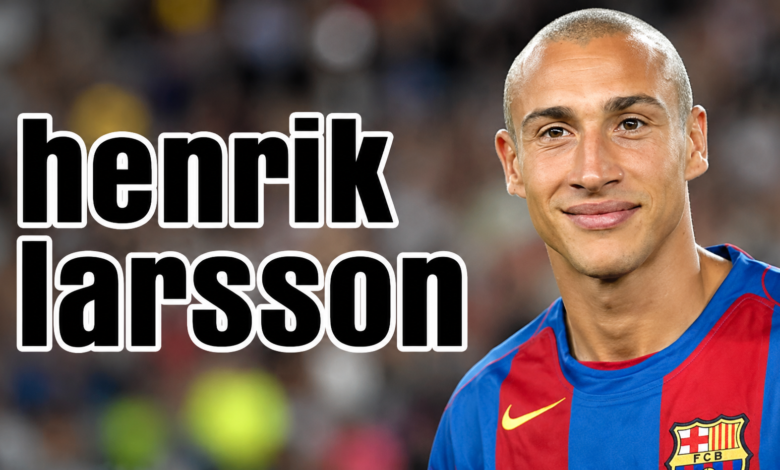
Introduction
Henrik Larsson is widely regarded as one of the greatest Swedish footballers of all time. Known for his intelligent movement, clinical finishing, professionalism, and leadership, he built an extraordinary career across Sweden, the Netherlands, Scotland, Spain, and England. His achievements made him a national hero in Sweden and an unforgettable figure among Celtic supporters.
Larsson’s journey was not always easy. He experienced racism during childhood, struggled during parts of his early European career, and suffered a serious leg injury that threatened his future. However, his remarkable recovery, consistent performances, and humble personality helped him become one of football’s most respected strikers.
Quick Bio of Henrik Larsson
| Detail | Information |
|---|---|
| Full Name | Edward Henrik Larsson |
| Popular Name | Henrik Larsson |
| Nicknames | Henke, King of Kings |
| Date of Birth | 20 September 1971 |
| Age | 54 years old as of July 2026 |
| Birthplace | Helsingborg, Sweden |
| Nationality | Swedish |
| Family Heritage | Swedish and Cape Verdean |
| Height | Approximately 1.77 metres |
| Playing Position | Striker |
| Wife | Magdalena Spjuth |
| Children | Two, including footballer Jordan Larsson |
| First Senior Club | Högaborgs BK |
| International Team | Sweden |
| International Appearances | 106 |
| International Goals | 37 |
| Retirement | 2009 |
Henrik Larsson’s Early Life
Henrik Larsson was born on 20 September 1971 in Helsingborg, a coastal city in southern Sweden. His mother, Eva Larsson, is Swedish, while his father, Francisco da Rocha, came from Cape Verde. His multicultural background became an important part of his personal identity.
Growing up in Sweden was not always comfortable for Larsson. He experienced racial discrimination during his childhood and sometimes felt different from the people around him. Football became a place where he could express himself, build confidence, and develop friendships without being judged only by his background.
Education and Childhood Interest in Football
Larsson attended school in Helsingborg while developing his football abilities through local teams. No confirmed public information indicates that he completed a university degree. His early education therefore took place alongside his growing commitment to football.
He received his first football when he was very young and joined Högaborgs BK at the age of six. The club played an important role in shaping his discipline, technique, and understanding of the game. Before becoming a full-time professional, he also worked while continuing to pursue his sporting ambitions.
Start of Henrik Larsson’s Career
Henrik Larsson began his senior career with Högaborgs BK in 1989. His speed, determination, and ability to score goals quickly attracted attention from larger Swedish clubs. In 1992, he joined Helsingborgs IF and made an immediate impact.
Larsson scored regularly and helped Helsingborg earn promotion to Sweden’s highest division. His performances established him as one of the country’s most promising young forwards and led to an international transfer in 1993.
Career at Feyenoord
Larsson joined Feyenoord in the Netherlands in 1993. Moving abroad represented an important step in his development because he had to adjust to a more competitive football environment, a new culture, and greater expectations.
Although his period at Feyenoord included both positive performances and difficult moments, he contributed to the club’s success in domestic cup competitions. He won two KNVB Cups before leaving the Netherlands in 1997.
Legendary Career at Celtic
Henrik Larsson joined Celtic in 1997 and became one of the most important players in the Scottish club’s history. His first competitive appearance included a mistake that led to an opposition goal, creating an uncertain beginning. However, he soon demonstrated his true quality.
Over seven seasons, Larsson scored 242 goals in 315 appearances across all competitions. His consistency, loyalty, intelligent attacking play, and ability to perform in major matches earned him the famous nickname “King of Kings.”
Major Success and European Golden Shoe
Larsson helped Celtic win four Scottish league titles, two Scottish Cups, and two Scottish League Cups. His outstanding 2000–01 season was particularly memorable because he scored 53 goals in all competitions.
That exceptional scoring record earned him the European Golden Shoe. The award confirmed that he was not simply a successful Scottish league striker but one of the most effective goalscorers in European football.
Serious Leg Injury and Remarkable Recovery
In October 1999, Larsson suffered a severe leg injury during a European match against Lyon. The incident raised fears that his career could be permanently affected and forced him to spend several months away from competitive football.
Rather than allowing the injury to end his progress, Larsson completed an impressive rehabilitation. He returned stronger, regained his scoring form, and produced the best season of his career soon afterward. His recovery remains one of the clearest examples of his determination.
UEFA Cup Final
Larsson led Celtic to the 2003 UEFA Cup Final against Porto. He scored twice during the final, although Celtic eventually lost 3–2 after extra time.
The defeat was painful, but Larsson’s performance strengthened his reputation as a dependable player in major matches. Celtic supporters continued to admire him not only for his goals but also for his work ethic and emotional connection with the club.
Henrik Larsson at Barcelona
After leaving Celtic in 2004, Henrik Larsson joined Barcelona. He entered a squad containing several world-class footballers and accepted a role that sometimes required him to start from the substitutes’ bench.
His first season was interrupted by a serious knee injury, but he returned and contributed to Barcelona’s domestic and European success. During his time in Spain, he won two La Liga titles and the UEFA Champions League.
2006 Champions League Final
Larsson played a decisive role in the 2006 UEFA Champions League Final against Arsenal. Barcelona were losing 1–0 when he entered the match as a substitute.
He helped create both Barcelona goals as the Spanish club completed a 2–1 comeback victory. His intelligent passing and calm decision-making demonstrated that his influence extended far beyond scoring goals.
Manchester United Loan Spell
In early 2007, Larsson joined Manchester United on a short-term loan from Helsingborgs IF. Although his stay lasted only a few months, he impressed teammates and manager Sir Alex Ferguson with his fitness, professionalism, and football intelligence.
He scored three goals in 13 appearances and supported the team during an important stage of the season. Manchester United later won the 2006–07 Premier League title, and Larsson received recognition for his contribution.
Return to Helsingborg and Retirement
Larsson returned to Helsingborgs IF after leaving Barcelona. He continued performing at a high level despite being in the later years of his career and helped the club win the Swedish Cup.
He officially retired from professional football in 2009. His retirement ended a senior playing career that had lasted approximately two decades and included success in several of Europe’s major football competitions.
International Career with Sweden
Henrik Larsson made his senior international debut for Sweden in 1993. He represented his country in 106 matches and scored 37 goals before ending his international career.
He participated in three FIFA World Cups and three UEFA European Championships. One of his earliest international achievements came at the 1994 World Cup, where Sweden finished third.
Memorable International Performances
Larsson scored during Sweden’s successful 1994 World Cup campaign and later became an experienced leader within the national team. He initially retired from international football but returned before UEFA Euro 2004.
At that tournament, he scored a memorable diving header against Bulgaria. His return demonstrated his continuing importance to Swedish football and his ability to perform on the international stage.
Coaching and Management Career
Following his retirement, Larsson moved into coaching and management. He managed Swedish clubs including Landskrona BoIS, Falkenbergs FF, and Helsingborgs IF.
He later worked as an assistant coach at Barcelona under Ronald Koeman. Although his coaching career has not matched the extraordinary success of his playing days, it allowed him to share his knowledge with a new generation of footballers.
Wife and Children
Henrik Larsson is married to Magdalena Spjuth. They met when they were young and married in 1996. The couple have two children.
Their son, Jordan Larsson, followed his father into professional football and has represented Sweden internationally. Henrik has generally protected his family’s privacy and avoided turning his personal life into a major part of his public image.
Playing Style and Strengths
Larsson was a complete and intelligent striker. He could score with either foot, finish headers, create opportunities for teammates, and move effectively between defenders.
He was also admired for his discipline and teamwork. Unlike forwards who depended only on physical power, Larsson used positioning, awareness, timing, and composure to influence matches.
Major Honours and Achievements
Larsson won major trophies with Feyenoord, Celtic, Barcelona, Manchester United, and Helsingborg. His honours included domestic league titles, national cups, the UEFA Champions League, and the European Golden Shoe.
He was also named Swedish Footballer of the Year more than once. His individual awards reflected both his remarkable statistics and the respect he earned from supporters, players, and coaches.
Henrik Larsson’s Legacy
Henrik Larsson’s legacy is strongest at Celtic, where he remains one of the club’s most celebrated players. His goals, loyalty, European performances, and recovery from injury created a lasting connection with supporters.
Beyond Celtic, he is remembered as a Swedish football icon, a Champions League winner, and a striker who succeeded in several countries. His career showed that humility, intelligence, resilience, and consistent effort can be as important as natural talent.
Conclusion
Henrik Larsson transformed himself from a young footballer in Helsingborg into one of Europe’s most admired strikers. His career included glorious victories, difficult injuries, major disappointments, and unforgettable performances.
His records and trophies explain part of his greatness, but his character explains why he remains so respected. Henrik Larsson’s professionalism, courage, and commitment ensured that his influence continued long after his final competitive match.
Frequently Asked Questions
What is Henrik Larsson’s full name?
His full name is Edward Henrik Larsson.
How old is Henrik Larsson?
Henrik Larsson was born on 20 September 1971. He is 54 years old as of July 2026.
Where was Henrik Larsson born?
He was born in Helsingborg, Sweden.
What is Henrik Larsson’s nationality?
He is Swedish and has Swedish and Cape Verdean family heritage.
Is Henrik Larsson married?
Yes, he is married to Magdalena Spjuth.
How many children does Henrik Larsson have?
He has two children, including professional footballer Jordan Larsson.
How many goals did Henrik Larsson score for Celtic?
He scored 242 goals in 315 appearances across all competitions for Celtic.
Did Henrik Larsson win the Champions League?
Yes. He won the UEFA Champions League with Barcelona in 2006.
How many matches did Larsson play for Sweden?
He made 106 appearances and scored 37 goals for the Swedish national team.
Why is Henrik Larsson called the King of Kings?
Celtic supporters gave him the nickname because of his exceptional goals, loyalty, major-match performances, and legendary status at the club.