Jackie Charlton: The Powerful Football Legend Who Conquered England and Transformed Ireland

Introduction
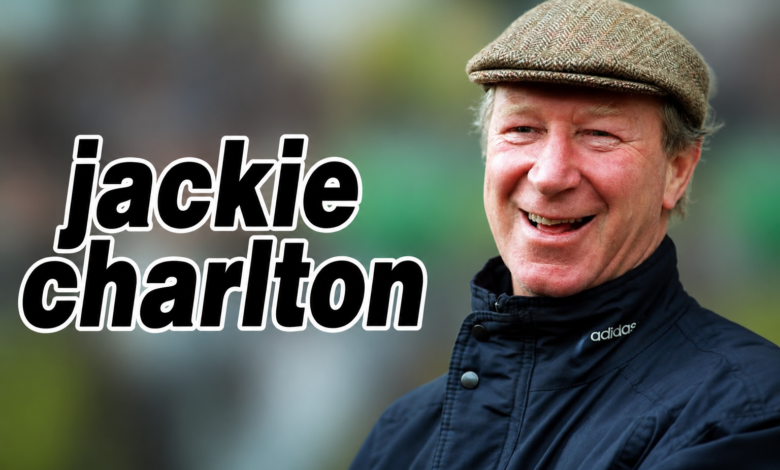
Jackie Charlton was one of the most influential figures in British and Irish football. Known officially as John Charlton, he built an extraordinary career as a defender, manager, and national sporting icon. His achievements included winning the 1966 FIFA World Cup with England, becoming a Leeds United legend, and guiding the Republic of Ireland to major international tournaments.
His journey was not always easy or universally praised. Charlton’s direct playing and managerial style attracted criticism from those who preferred more technical football. However, his leadership, discipline, honesty, and ability to produce results made him one of the most respected football personalities of his generation.
Quick Bio
| Detail | Information |
|---|---|
| Full Name | John Charlton |
| Known As | Jack Charlton, Jackie Charlton |
| Date of Birth | 8 May 1935 |
| Birthplace | Ashington, Northumberland, England |
| Date of Death | 10 July 2020 |
| Age at Death | 85 years |
| Nationality | English |
| Profession | Footballer and Football Manager |
| Playing Position | Centre-back |
| Height | 6 feet 3 inches |
| Main Club | Leeds United |
| England Appearances | 35 |
| England Goals | 6 |
| Wife | Pat Kemp |
| Children | John, Deborah, and Peter |
| Major Achievement | 1966 FIFA World Cup winner |
Jackie Charlton Early Life and Family Background
Jackie Charlton was born on 8 May 1935 in Ashington, Northumberland, England. He grew up in a working-class mining community where football played an important role in daily life. His father, Robert Charlton, worked as a coal miner, while his mother, Elizabeth Ellen Charlton, came from the well-known Milburn football family.
Football talent ran strongly through the family. Jackie’s younger brother, Bobby Charlton, became one of England’s greatest players. Although both brothers achieved global success, they developed very different playing styles. Jackie became a strong, commanding defender, while Bobby gained fame as an attacking midfielder and powerful goalscorer.
Education and Early Working Life
Jackie Charlton attended school in Ashington, but there is no confirmed record of university education. Like many young men from northern working-class families of his era, he entered employment early and briefly worked in the coal industry before establishing himself in professional football.
He also completed National Service with the British Army’s Household Cavalry. This period helped strengthen the discipline, physical toughness, and determination that later became central features of his football career.
Start of Jackie Charlton’s Football Career
Jackie Charlton joined the Leeds United youth system in 1950. He signed professionally and made his senior debut in 1953. During the early stages of his career, Leeds United were not yet one of England’s dominant clubs, and Charlton had to work hard to establish himself.
His career improved significantly under manager Don Revie. Charlton developed into a reliable centre-back who was strong in the air, difficult to challenge physically, and capable of scoring important goals from set pieces. His commitment eventually made him one of the club’s most important players.
Leeds United Career Overview
Jackie Charlton spent his entire professional playing career with Leeds United from 1952 to 1973. He made 629 league appearances and a club-record 762 competitive appearances. He also scored 70 league goals, an impressive total for a central defender.
During his time at Leeds, Charlton helped the club win the First Division title, Second Division title, FA Cup, League Cup, FA Charity Shield, and two Inter-Cities Fairs Cups. His loyalty to one club throughout his career strengthened his status as a Leeds United legend.
Playing Style and Strengths
Charlton was known for his height, aerial strength, defensive positioning, and physical presence. At 6 feet 3 inches, he was especially effective against high balls and dangerous crosses. He was also a major threat in the opposition penalty area during corners and free kicks.
His style could be aggressive, and critics sometimes described him as too direct. However, he understood his responsibilities clearly and performed them effectively. He preferred practical defending over unnecessary risk, which made him dependable in important matches.
England Career and 1966 World Cup Success
Jackie Charlton made his England debut in 1965 and earned 35 international appearances, scoring six goals. His international career may have been shorter than his club career, but it included the greatest achievement in English football history.
Charlton played in England’s successful 1966 FIFA World Cup campaign. He appeared in the final when England defeated West Germany 4–2 after extra time at Wembley Stadium. Winning the World Cup alongside his brother Bobby made their family story unique and unforgettable.
Transition from Player to Manager
After retiring as a player in 1973, Jackie Charlton quickly entered football management. His first major managerial position was at Middlesbrough. He made an immediate impact by leading the club to promotion to the First Division.
His managerial success continued with Sheffield Wednesday, where he helped rebuild the team and improve its competitive position. He later managed Newcastle United, although his time there was shorter and less successful than some of his other appointments.
Republic of Ireland Managerial Career
Jackie Charlton became manager of the Republic of Ireland in 1986. This appointment became the defining chapter of his coaching career. Before his arrival, Ireland had never qualified for a major international tournament.
Under Charlton, Ireland qualified for UEFA Euro 1988, the 1990 FIFA World Cup, and the 1994 FIFA World Cup. The team reached the quarter-finals in 1990, creating one of the most celebrated moments in Irish sporting history.
Management Style and Criticism
Charlton introduced a direct, organised, and highly disciplined system. His team pressed opponents, competed for every ball, and avoided unnecessary defensive risks. The approach was effective, particularly against technically stronger nations.
However, his tactics were sometimes criticised as unattractive or overly defensive. Despite this negative reaction, the results transformed Irish football. He gave players confidence, created a strong team identity, and united supporters across the country.
Wife, Children, and Personal Life
Jackie Charlton married Pat Kemp on 6 January 1958. Their marriage lasted for more than six decades until his death. The couple had three children: John, Deborah, and Peter.
Away from football, Charlton was particularly interested in fishing and countryside activities. His straightforward personality and natural humour made him popular with football supporters, television audiences, and players.
Business Ventures and Sources of Income
Jackie Charlton’s main income came from professional football, football management, media appearances, public speaking, and published books. He also owned two clothing shops in Leeds during his playing years.
After retiring as a footballer, he became involved in operating the Leeds United club shop. There is no verified evidence that he owned a major company or built a large corporate business empire.
Awards and Recognition
Charlton received several major honours during and after his career. He was named the Football Writers’ Association Footballer of the Year in 1967 and was later appointed an Officer of the Order of the British Empire.
He was also inducted into the English Football Hall of Fame. Ireland recognised his contribution through honorary citizenship and other national and civic honours.
Death and Health
Jackie Charlton died on 10 July 2020 at the age of 85. His family confirmed that he had been living with lymphoma and dementia.
His death produced emotional tributes from Leeds United, the England football community, the Republic of Ireland, former players, and supporters around the world.
Jackie Charlton Legacy
Jackie Charlton’s legacy is built on loyalty, resilience, achievement, and leadership. As a player, he helped Leeds United become a major force and represented England in its historic World Cup victory.
As a manager, he changed the direction of Irish football and created memories that remain important to millions of supporters. His football was not always stylish, but his results, character, and influence were undeniably powerful.
Conclusion
Jackie Charlton was far more than a successful footballer. He was a World Cup winner, a one-club legend, a determined manager, and a national hero in both England and Ireland.
Although some critics questioned his methods, his achievements remain impossible to ignore. His story proves that discipline, courage, loyalty, and strong leadership can create a lasting place in sporting history.
Frequently Asked Questions
What was Jackie Charlton’s full name?
His full name was John Charlton, although he was widely known as Jack Charlton or Jackie Charlton.
When and where was Jackie Charlton born?
He was born on 8 May 1935 in Ashington, Northumberland, England.
Which club did Jackie Charlton play for?
He spent his entire professional playing career with Leeds United.
Did Jackie Charlton win the World Cup?
Yes. He was part of the England team that won the 1966 FIFA World Cup.
Who was Jackie Charlton’s brother?
His younger brother was Sir Bobby Charlton, another member of England’s 1966 World Cup-winning team.
Who was Jackie Charlton’s wife?
He was married to Pat Kemp from 1958 until his death in 2020.
How many children did Jackie Charlton have?
He had three children: John, Deborah, and Peter.
Which national team did Jackie Charlton manage?
He managed the Republic of Ireland from 1986 to 1996.
What was Jackie Charlton’s greatest managerial achievement?
He led the Republic of Ireland to Euro 1988 and the 1990 and 1994 FIFA World Cups.
When did Jackie Charlton die?
He died on 10 July 2020 at the age of 85.